Home
About usAbout usThe future we aim forHistoryWhat we believe
Activities and resultsActivities and resultsSurveying the seaRestoring the seaRethinking how the sea is used
JoinJoin an event
LearnLearnWhat is spearfishing?MannersThe yasu (pole spear)Safety gear
Consult us Store (Japanese only) 日本語
Join on LINEContact

Home / Activities and results / Restoring the sea

Restoring the sea

In a sea where the seaweed is disappearing: culling urchins, building seaweed beds, cleaning beaches and the sea floor. We are making, with our own hands, a sea where the seaweed comes back.

What is happening in the sea

The seaweed forests are vanishing. Only the urchins are increasing.

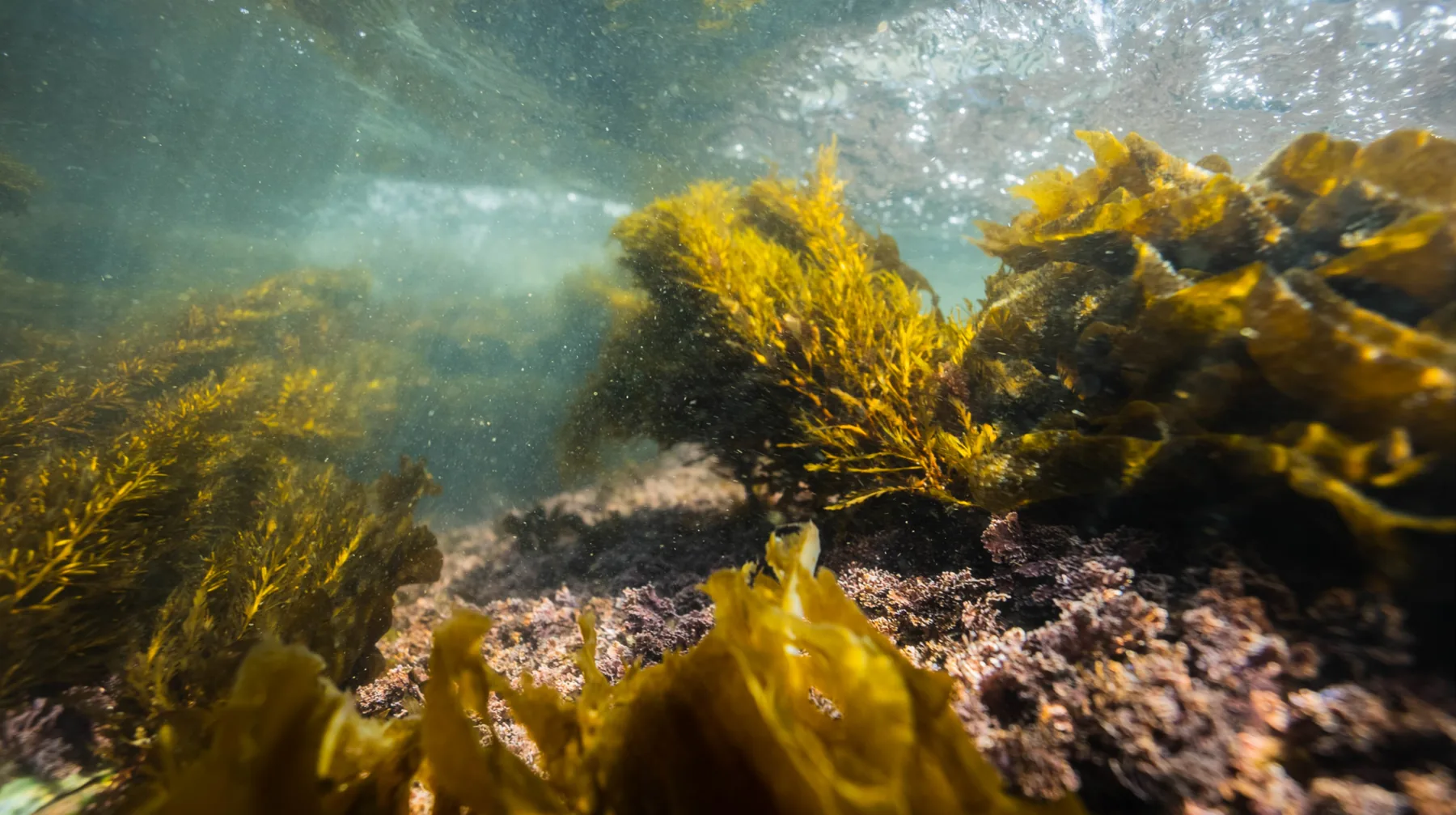
When seaweed disappears from a coast, it is called “isoyake”, barren ground. A seaweed bed is where fish and shellfish spawn and where young fish grow up. When it goes, the fish lose their home with it. There are a dozen or more causes, from changing water temperatures to coastal construction. But what we confirmed by diving in Toyama Bay is that urchins nobody harvests are eating the seaweed bare.

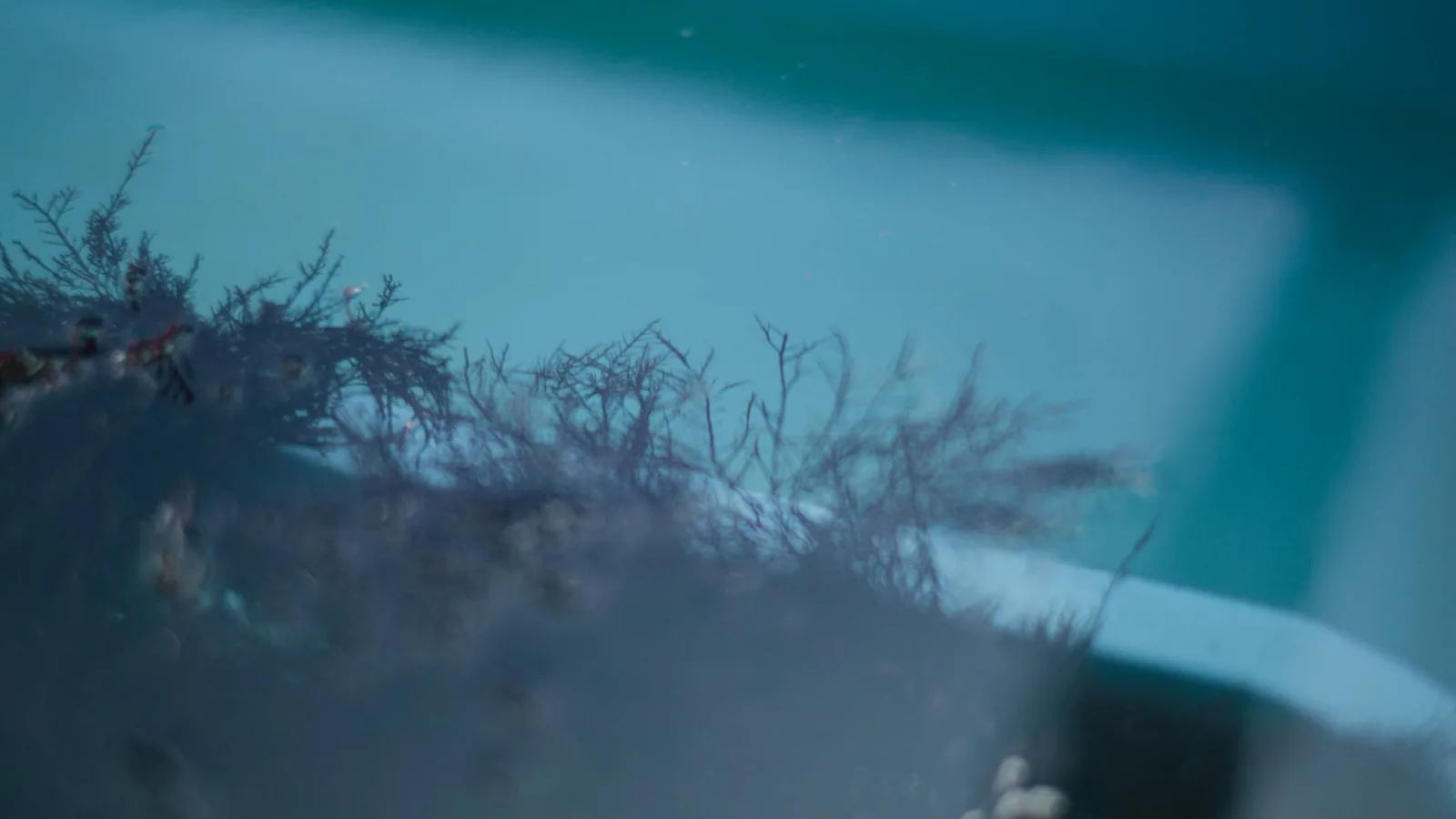
A seaweed bed thick with seaweed, Asahi TownSea floor thick with seaweed (Asahi Town)
A sea floor with no seaweed and only urchins leftSeaweed gone, only urchins left

Seaweed growth < urchin grazing

Nearly 80%

of Japan’s prefectures report shrinking seaweed beds (Ministry of Agriculture, Forestry and Fisheries, 2020 survey). Barren ground is a nationwide problem.

Emptyshells

Urchins that have eaten everything live on with no roe inside. Fishers do not take them, nobody takes them, and they keep multiplying.

Agar weedin sharp decline

Makusa, the agar weed, has disappeared from the sea off Asahi Town. Winning that sea back is where we start.

So we

Dive, cull, plant, count.

We see what is happening in the sea closer than anyone. So we do what we can, one thing at a time.

Operation Sea Urchin Cull

To give something back to the sea they love,
people come from all over Japan to dive.

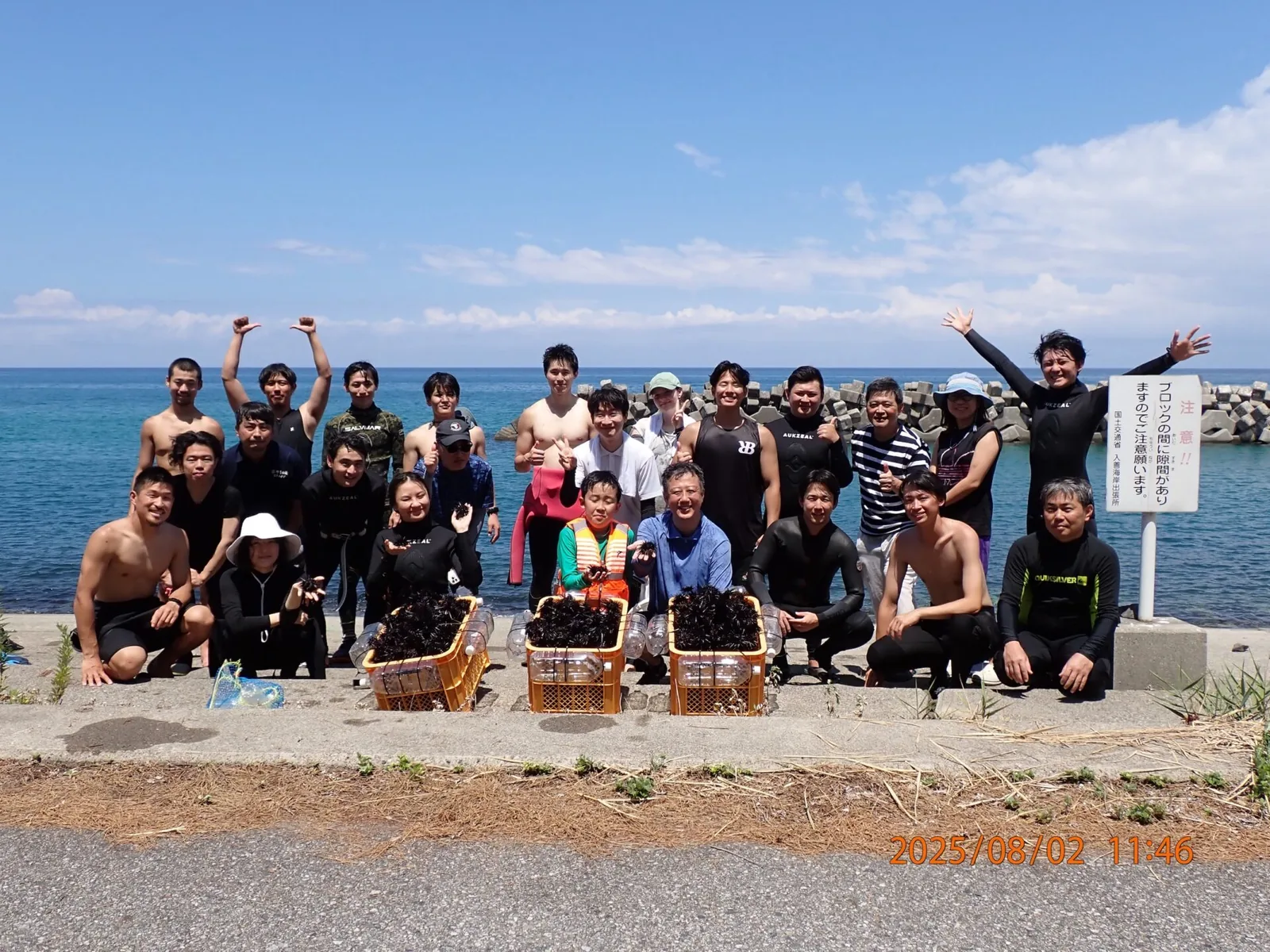
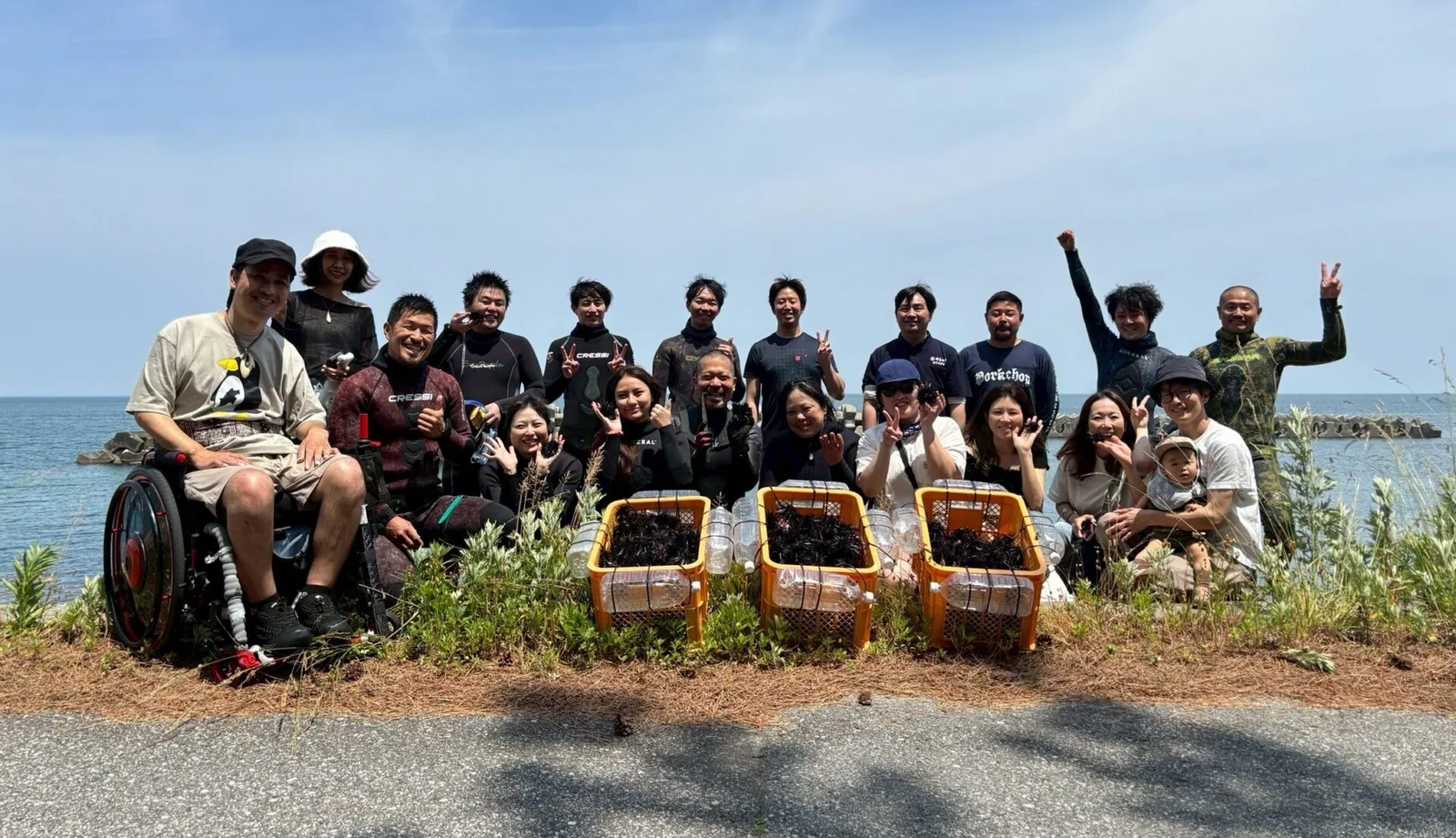
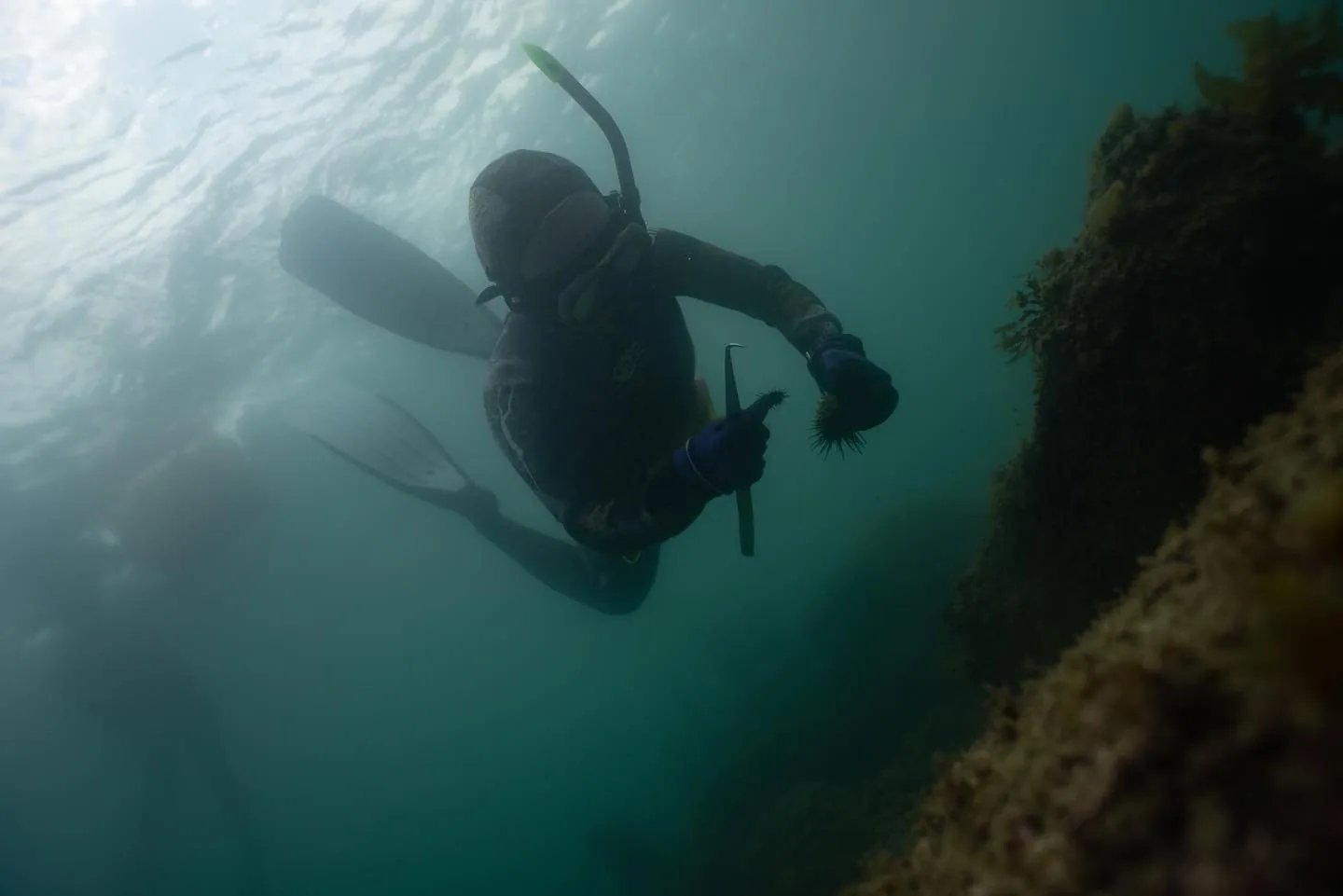
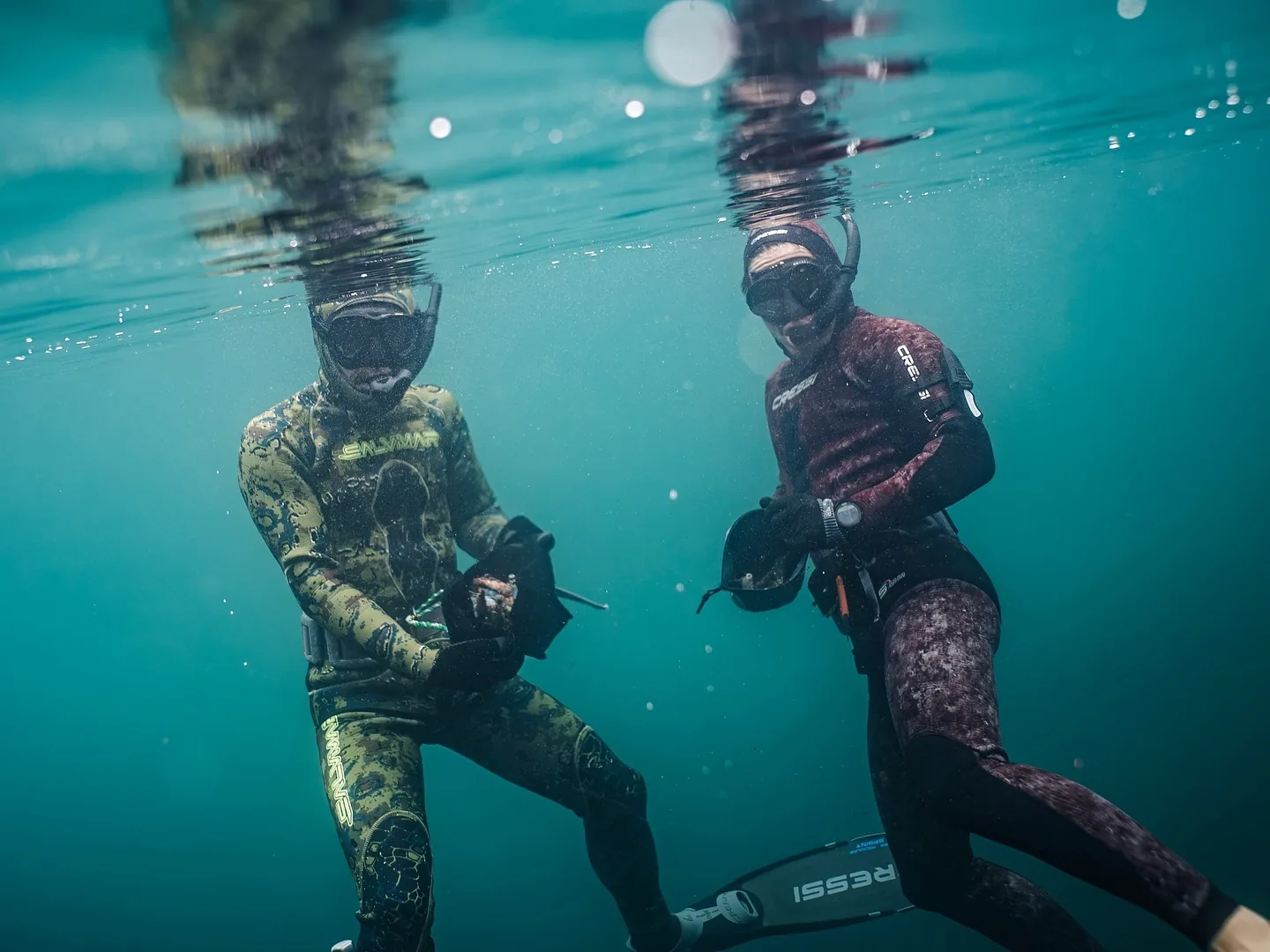
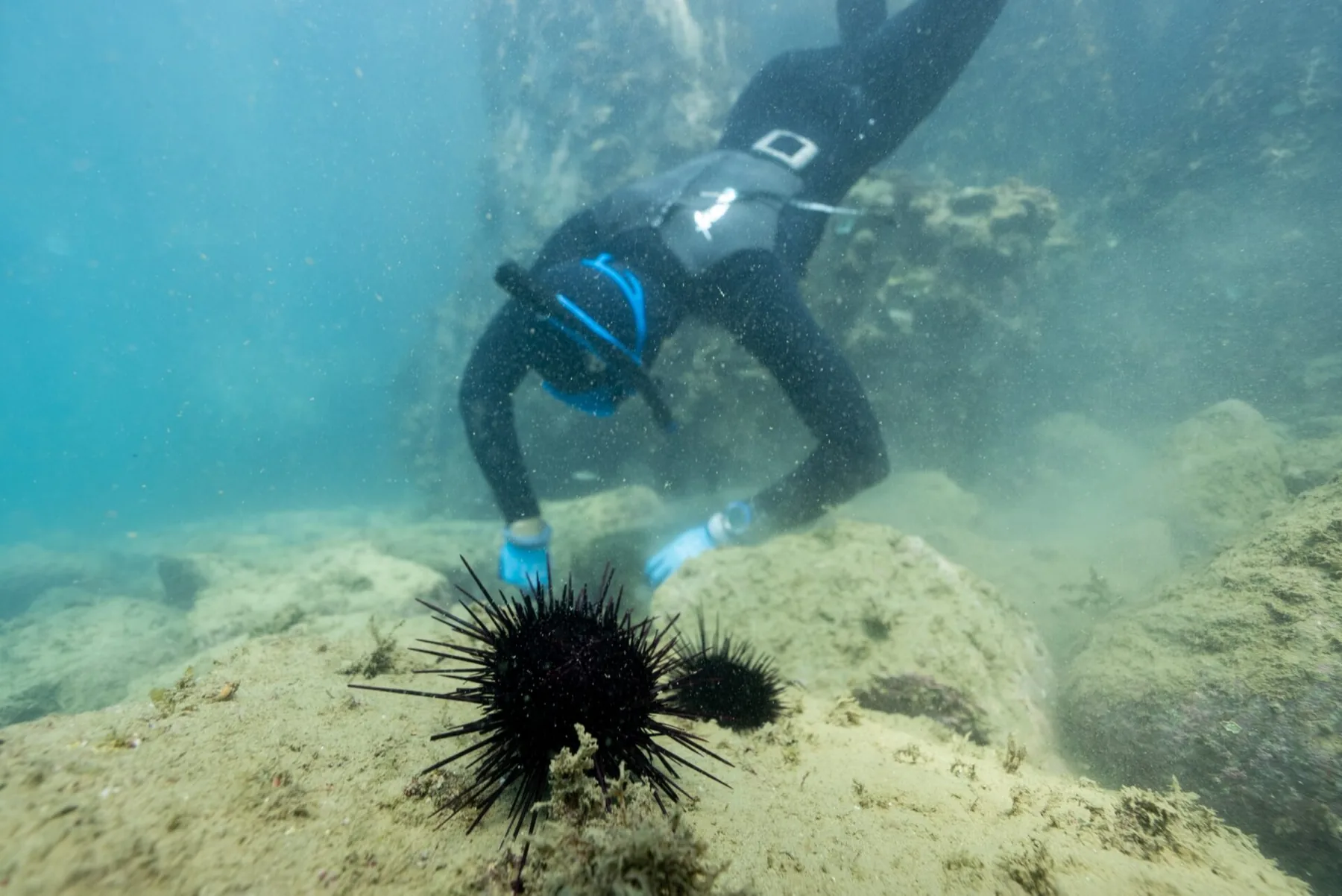
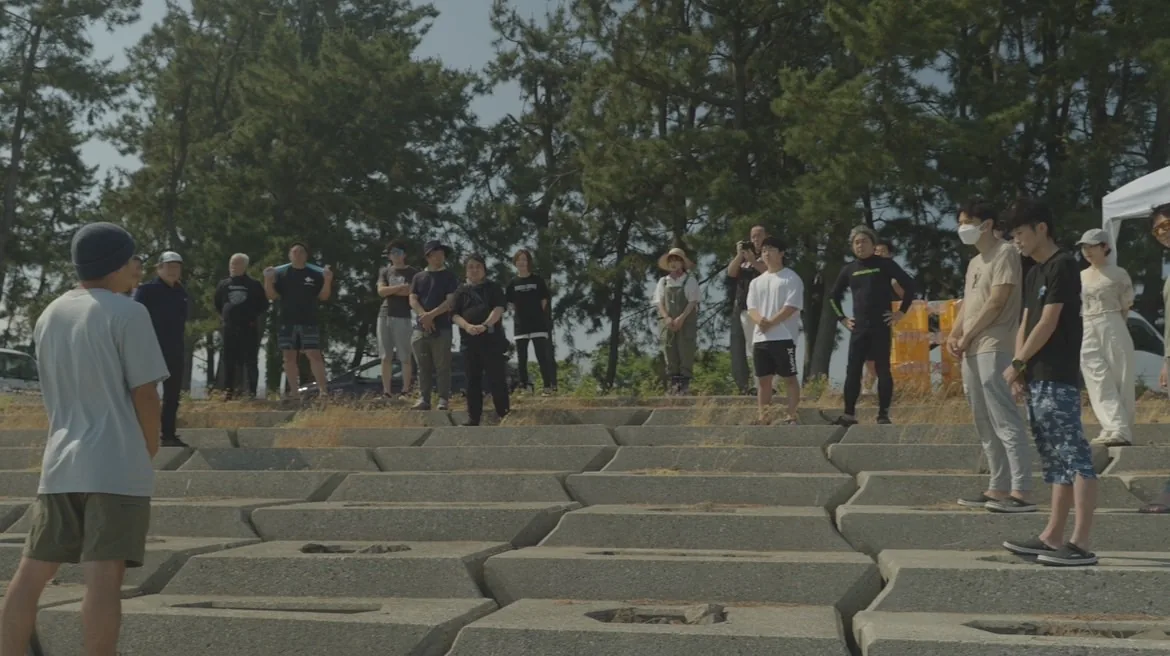
Our activities began in 2021 with beach clean-ups. Operation Sea Urchin Cull, started in 2022 with the Tomari fisheries cooperative of Asahi Town, is open to anyone. With the cooperative’s permission, we use the diving skills built up through spearfishing to cull urchins from the sea floor by freediving. Alongside the spearfishers who come from all over Japan, local people and others who enjoy the sea take part in the shallows without diving. Families are welcome.

Local children picking up urchins in the shallows

Local children now pick up urchins in the shallows.

At first it was only spearfishing friends. As the events went on, more local people and families came, collecting urchins in the shallows without diving. The freediving fishers of the Tomari cooperative dive with us too.

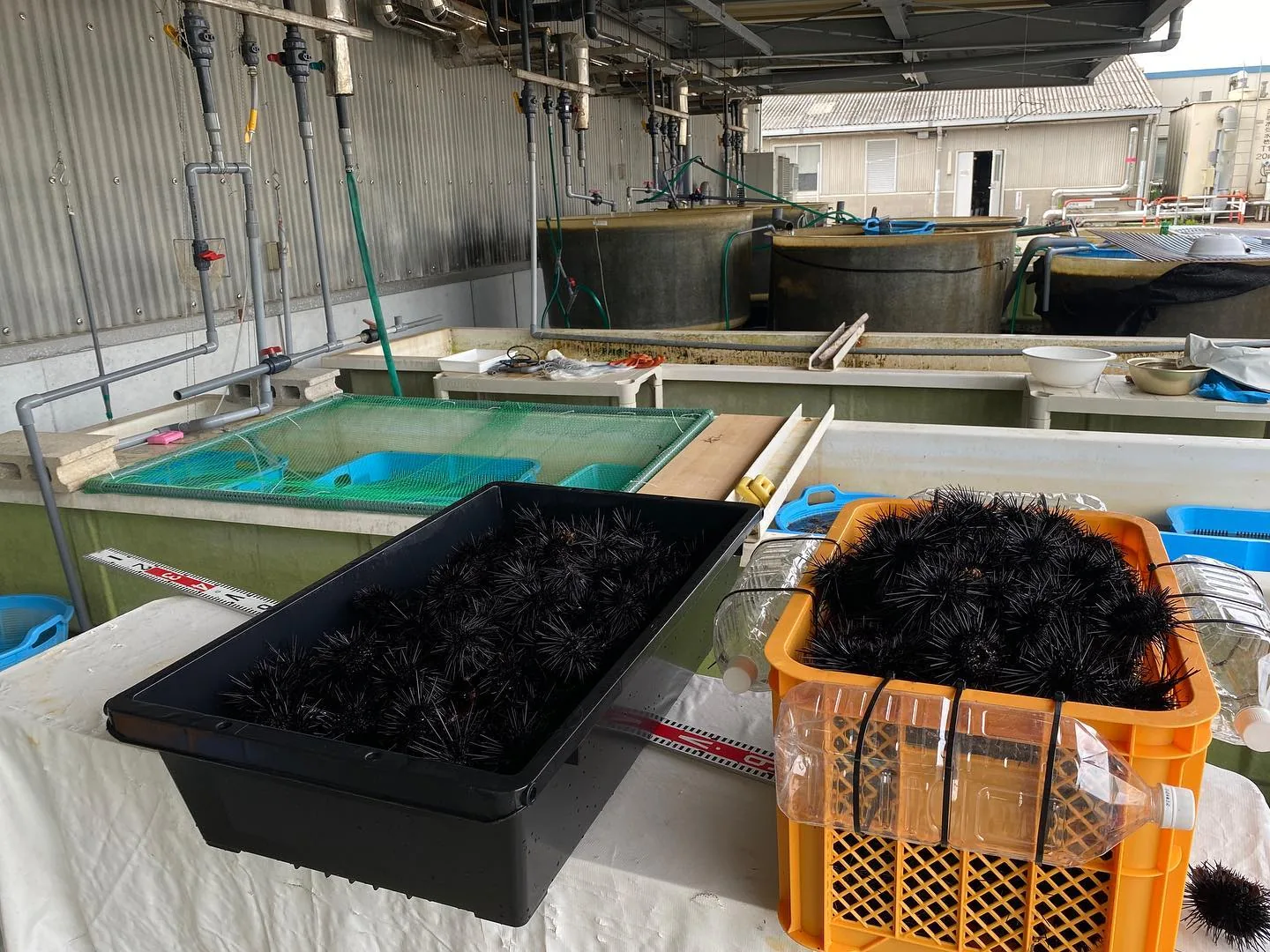
Culling is not the end. We count the urchins at the same spot again to check the effect. The culled urchins go to the fisheries research station, to be used for roe-condition checks and ranching trials. Not stopping at the taking is how we do things.
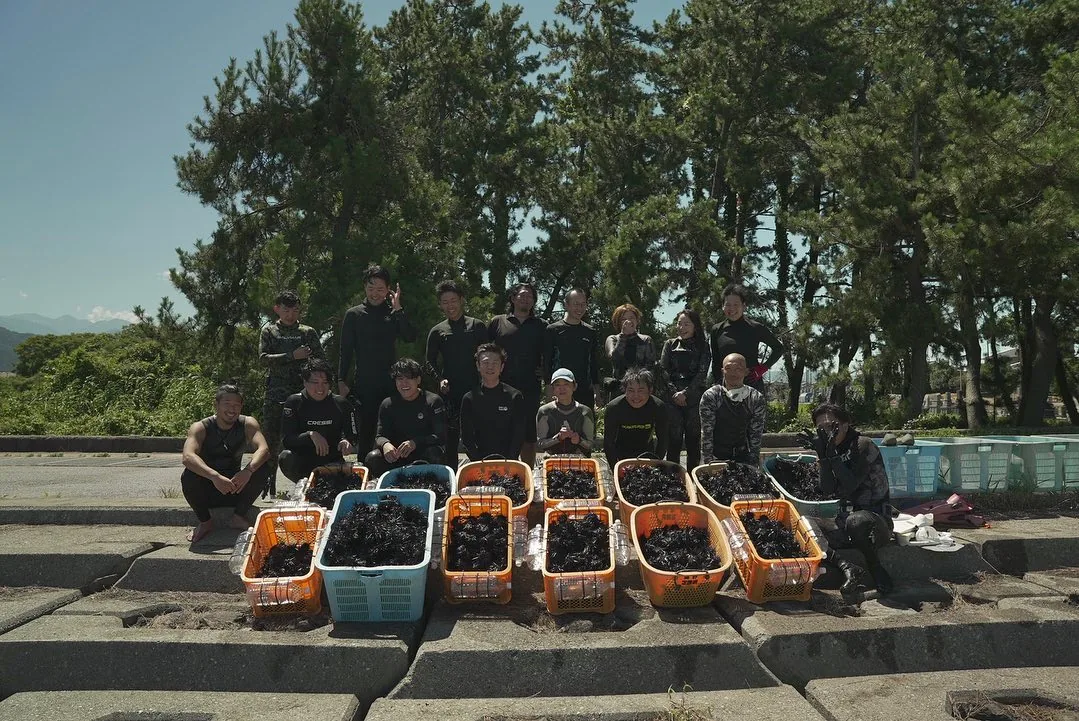
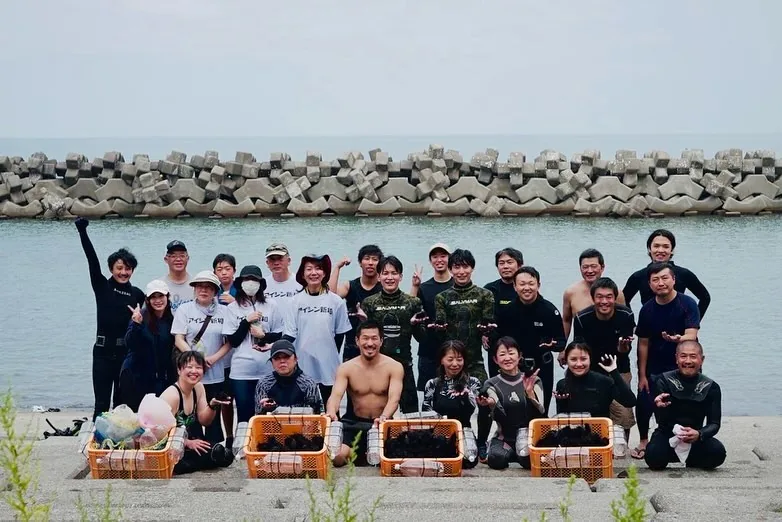
Participants, August 2023
August 2023: with the fishers of the Tomari cooperative
Participants, September 2024
September 2024: 30 people from all over Japan
Participants, August 2025
August 2025: held between typhoons
Participants, June 2025
June 2025: more local people joining
A pest becomes a product

Turning culled urchins into money that keeps the sea’s future moving.

If empty urchins are simply thrown away, the volunteers will not last. With Urchinomics, who ranch urchins on land, we are turning barren-ground urchins into a local product of Asahi Town. New income for fishers, culling that continues, seaweed that comes back. That is the loop we are building in Asahi Town.

1

Dive and cull

With the cooperative’s permission, spearfishers from across Japan and local people remove urchins from the sea floor

2

Count and record

Count the urchins at the culled spot again to check the effect

3

Ranch on land

Roe-condition checks and ranching trials at the fisheries research station. Urchinomics’ technology fattens the roe

4

Make it a product

The former pest becomes a new product of Asahi Town and income for fishers

5

The seaweed returns

Culling continues as paid work, the seaweed recovers, and the fish get their home back

About 500 urchins taken to the fisheries research station
A diver counting urchins after a cull
Urchinomics will build its Toyama plant in Asahi Town.

Your passion and action have finally taken shape. The plant is not only a result of our work; it is a big step towards a livelier region and a sustainable future for the sea. Once it is built, we will need your strength again, in new ways.

From the announcement in December 2024 (Daichi Motoki, president)
Seaweed restoration project

Baby seaweed, tied to rope by everyone’s hands.

Makusa, the agar weed, has disappeared from the sea off Asahi Town. In June 2026 we started growing a “forest of the sea” by tying seaweed seedlings to rope. 32 people, local residents, families and people who love the sea, gathered and tied seedlings one by one onto about 770 m of rope.

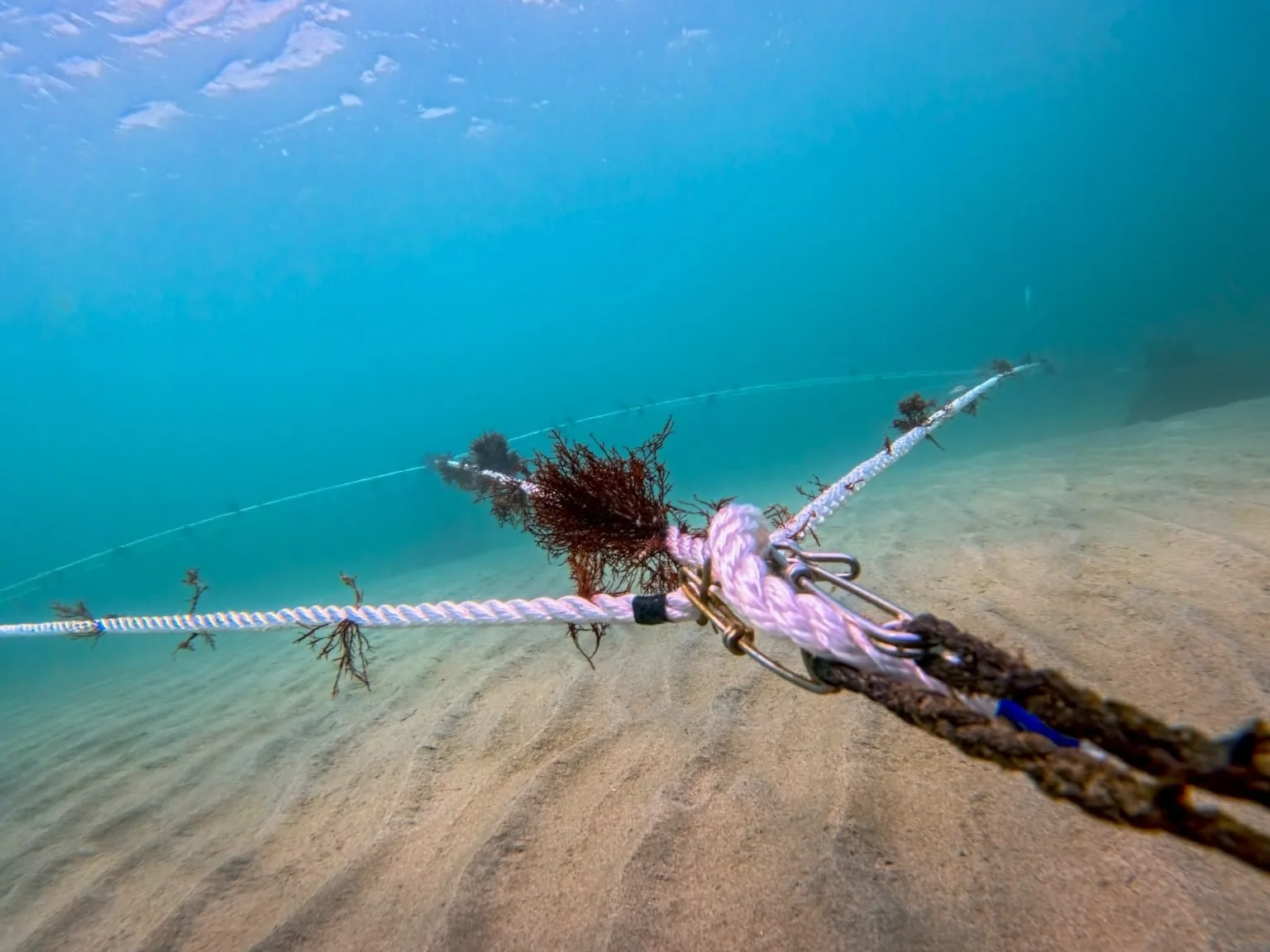
Our members then dived and fixed the rope to anchors on the sea floor, and we are watching how the seedlings grow. Months from now, years from now, what will they become? This is the starting line for handing the sea off Asahi Town on to the future.

770mof rope with seedlings tied on
32peoplelocal participants
Organiser: GREEN spearfishers / Co-organiser: Asahi Town Coastal Fisheries Liaison Council / Supported by: Asahi Town

In November 2026 we tied kuromo seedlings too.

On 14 November, at Miyazaki fishing port in Asahi Town, we tied seedlings of kuromo, a brown seaweed, to about 560 m of rope. The seedlings were raised for us at the Toyama Prefectural Fisheries Research Institute from spores collected in the sea off Asahi Town this spring. The rope will be strung on an artificial reef to be set offshore. Kuromo has to be planted every year, so we will carry on next year and after.

Participants tying agar weed seedlings to rope
Seaweed seedlings fixed to an anchor on the sea floor
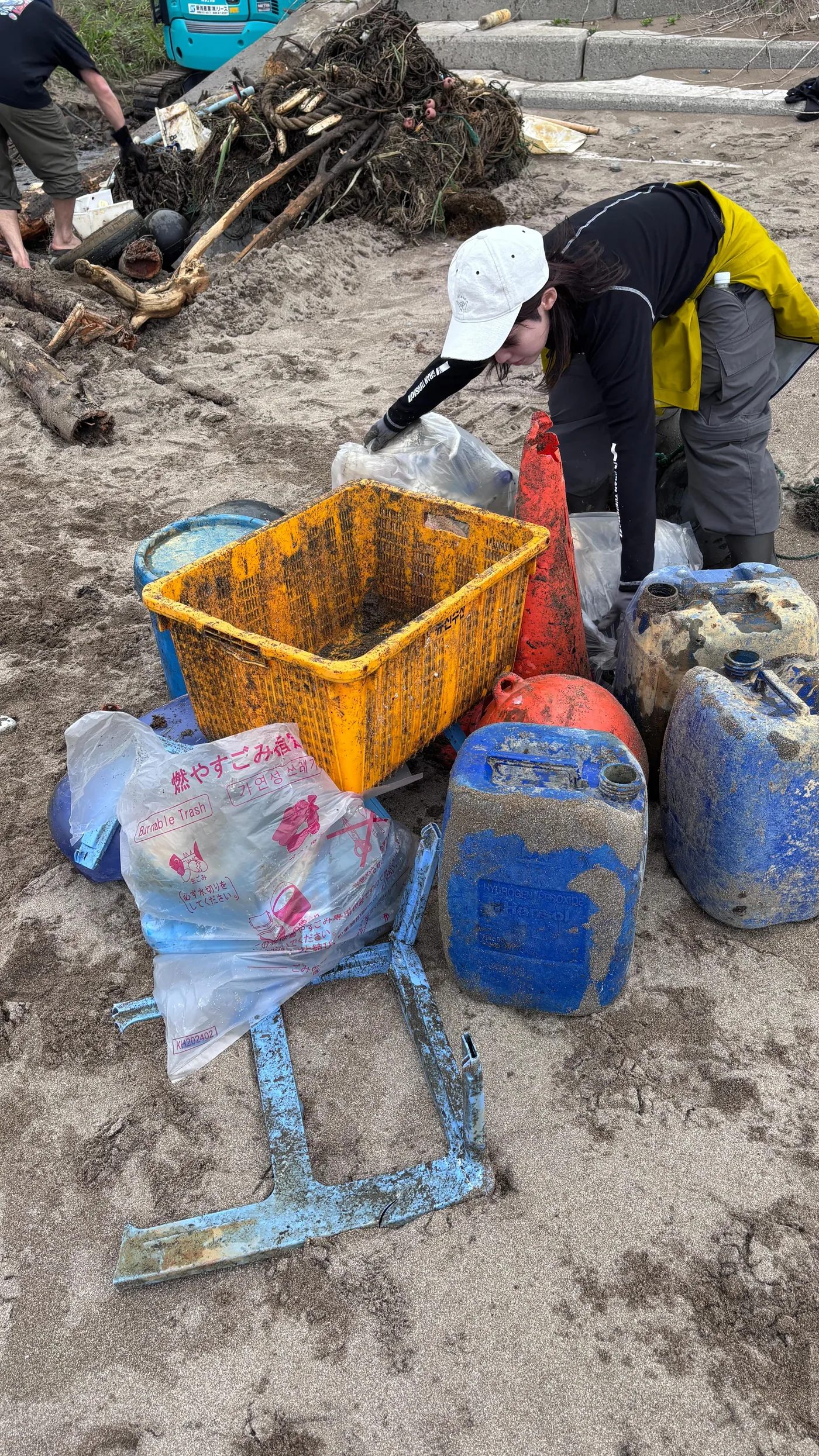
Beach clean-up on Sado
Sea-floor clean-up at the Uozu breakwater
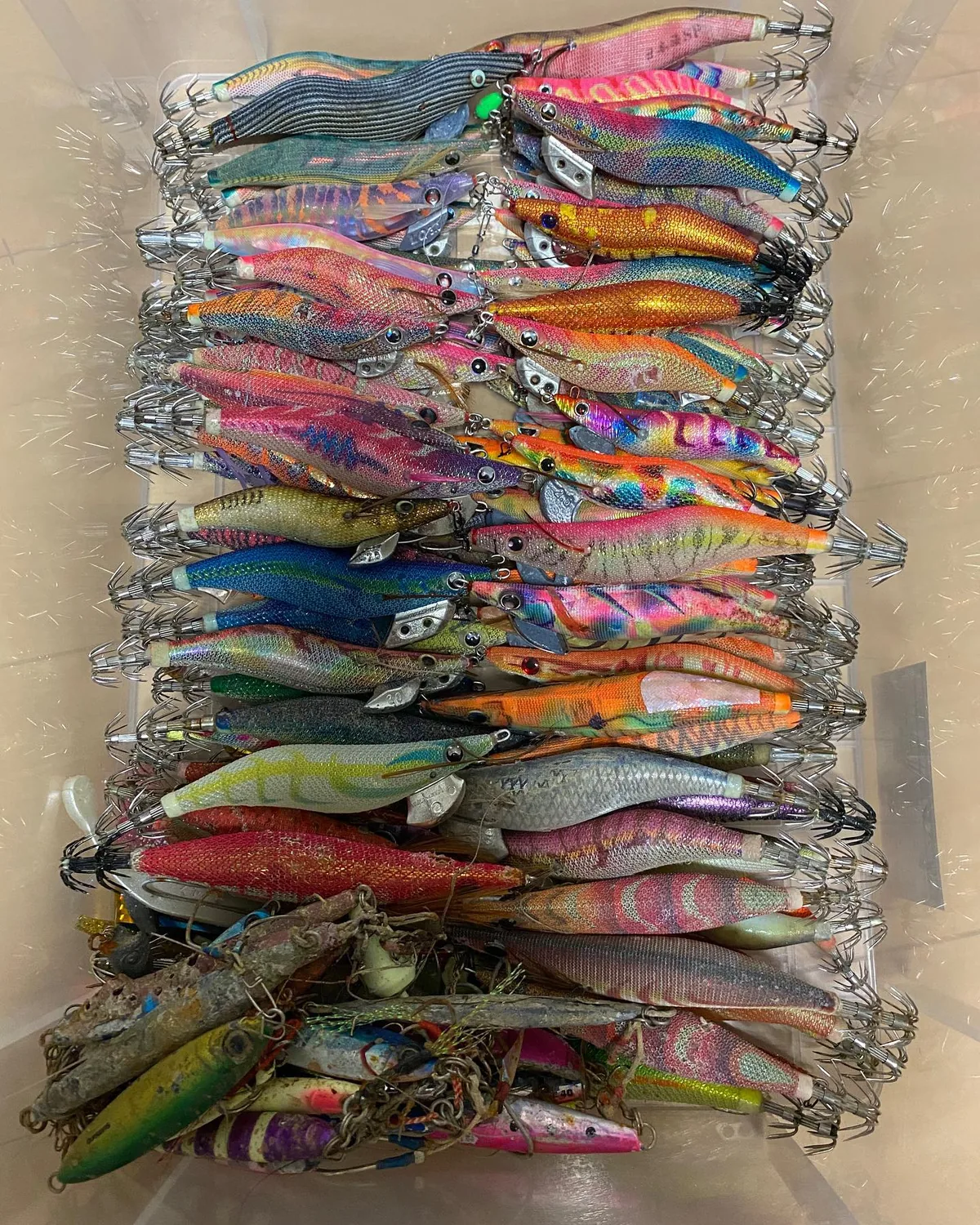
Lures recovered from the sea floor
Activity 4

Cleaning the sea and the beaches

Grispi began as a group picking up litter on the beach. At the breakwater and fishing ports of Uozu we dive, with the cooperative present, to recover lures and squid jigs lying on the bottom and fishing nets that have drifted away. On Sado we join beach and underwater clean-ups, and dive to help release juvenile shellfish.

At Sado Blue Action 2025, together with people from twelve prefectures, we collected about 10 tonnes of drift litter. What we pick up is not thrown away; we make it into gear.

More in Activities and results
Join / Contact

Sea urchin culls and seaweed planting:
sign up on LINE.

Event dates and sign-ups are on our official LINE account (in Japanese). For press enquiries, or if you are a company, local government, fisheries cooperative or research institution, please use the contact form.

GREEN spearfishers (General Incorporated Association)
MAIL:[email protected]