Home
About usAbout usThe future we aim forHistoryWhat we believe
Activities and resultsActivities and resultsSurveying the seaRestoring the seaRethinking how the sea is used
JoinJoin an event
LearnLearnWhat is spearfishing?MannersThe yasu (pole spear)Safety gear
Consult us Store (Japanese only) 日本語
Join on LINEContact

Home / Learn / The yasu (pole spear)

The yasu (pole spear)

The tip of the yasu, and its history

Gear

How the tip of a yasu is built, and how it works

The yasu, a spear held and thrust by hand, comes in four kinds by the shape of its tip. The difference is one thing: how the tip keeps a speared fish from getting away. Knowing this helps you take fish without damaging them, and helps you avoid injury. A spear gun, fired with a trigger, is a different tool.
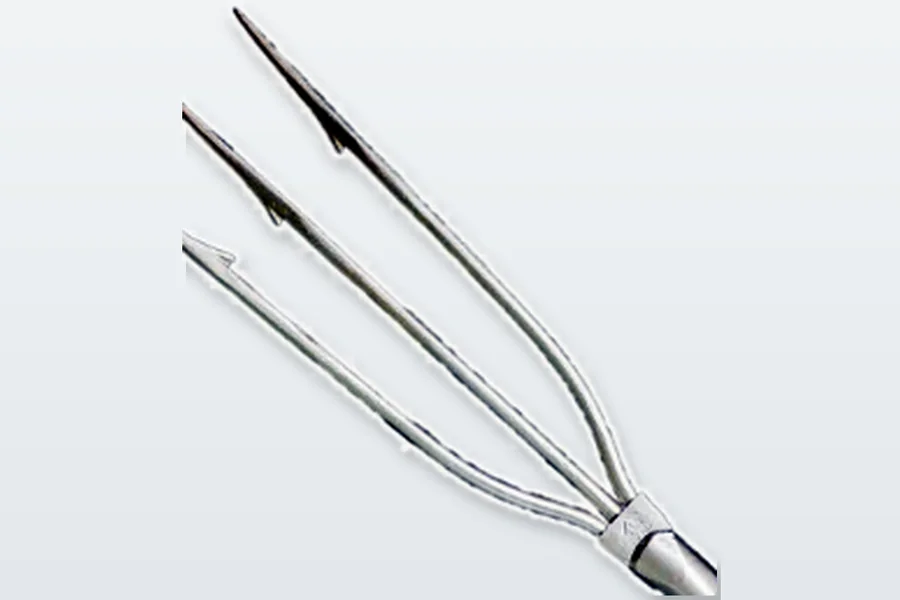
Three-prong yasu tip
①

Three-prong (mitsumata)

Sold even at hardware stores. A first spear.
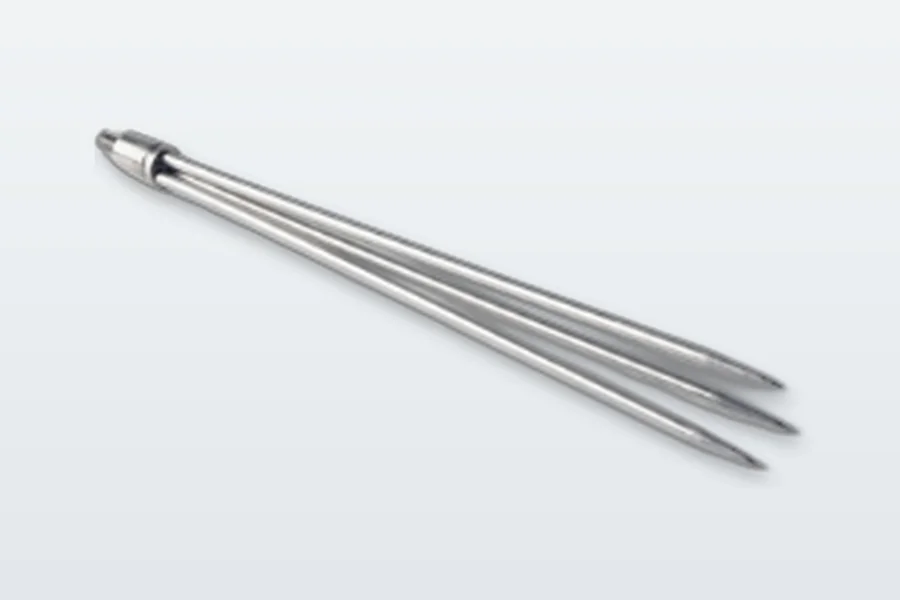
After the strike
Three prongs with small fixed barbs. Because the barbs are small, a speared fish pulls free easily.
Good for
People trying spearfishing for the first time. Cheap, simple, and easy to look after.
Weak points
Three prongs tend to damage the flesh. The prongs bend when they hit rock.
Paralyzer tip
②

Paralyzer

Hard to bend, and good at catching small fish.
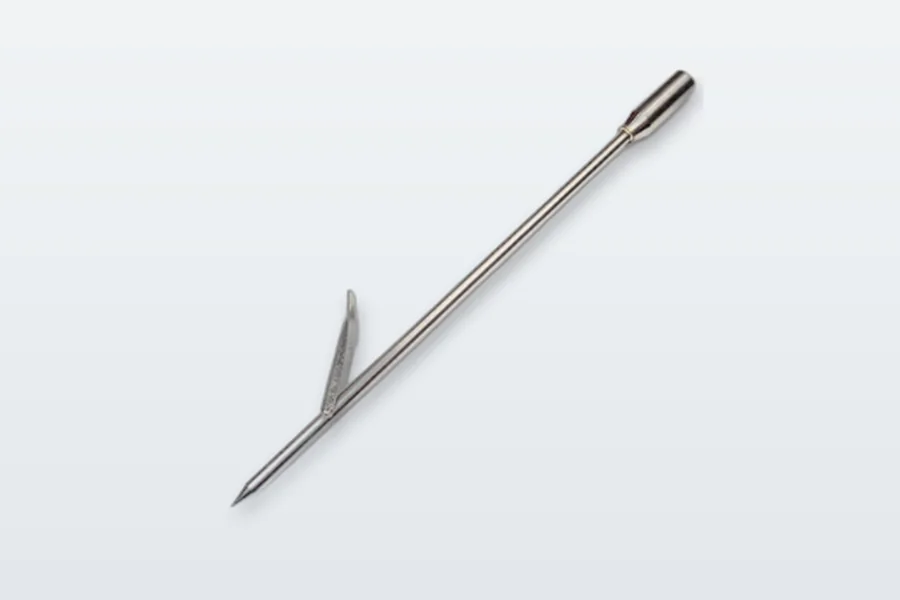
After the strike
Three springy prongs spread into a triangle at the tip. On impact they flex apart, create resistance and hold the fish.
Good for
Small fish. It keeps its shape even when it hits rock, so beginners find it easy to use.
Weak points
It tends to damage the flesh, like the three-prong. Big or hard-fighting fish pull free, and a hard knock can bend the prongs.
Flopper yasu tip
③

Flopper (hinged barb)

All the force on one point, held by a barb that opens.
After the strike
A single tip with a hinged barb that opens and closes. Once it goes in deep the barb opens and the fish cannot come off. The tip stays on the shaft.
Good for
When you want to put all your force into one point and drive it in firmly.
Weak points
It does not hold unless it goes in deep enough for the barb to open. The fish’s movement passes straight to the shaft, so a big fish can bend or snap it. Check the hinge every time.
A slip tip and its shaft
④

Slip tip (“chokki”)

The tip comes off and gives with the fish’s movement.
After the strike
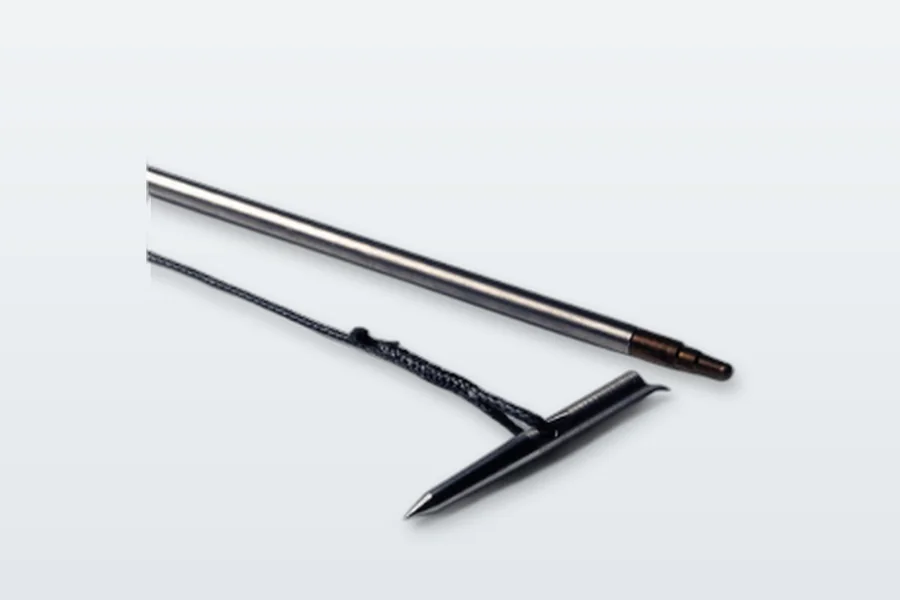
The tip detaches from the shaft the moment it strikes and holds the fish while staying connected by a line. Turned sideways, the tip itself acts as the barb.
Good for
Big, hard-fighting fish. No load goes onto the shaft, so the gear is less likely to break and you are less likely to get hurt.
Weak points
Check the wear and the fit of the tip every time. After each catch you have to take the tip off and refit it.
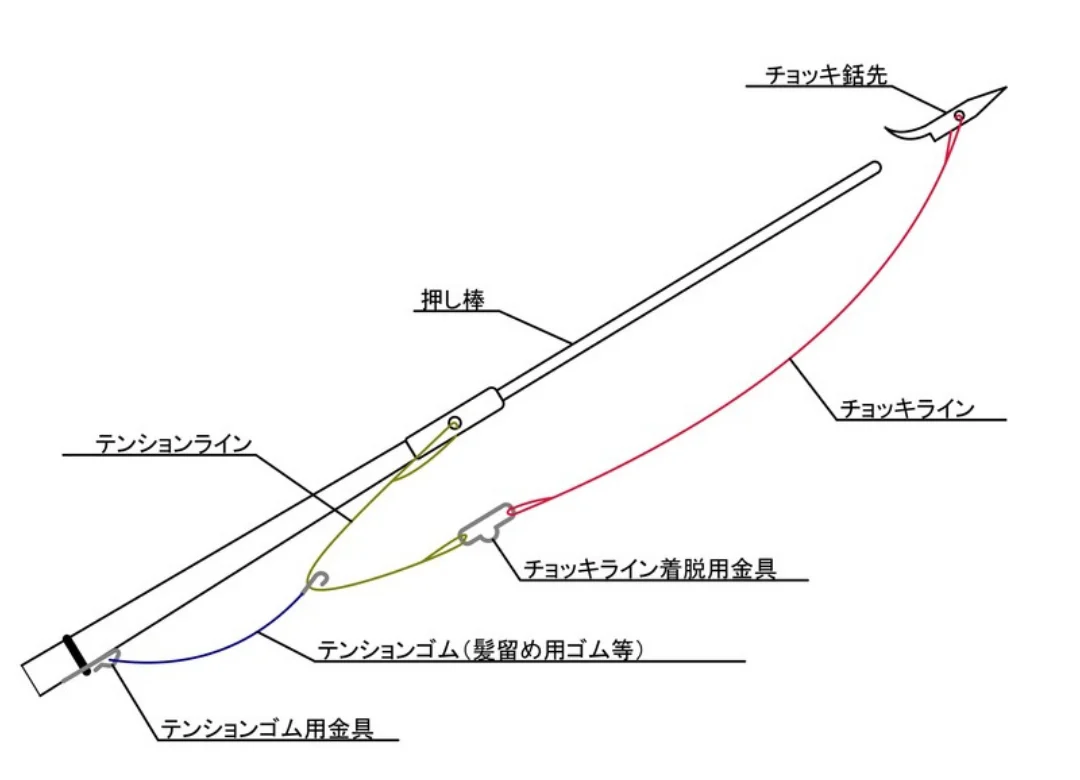
Diagram of how a slip tip is built

Why the slip tip makes sense.

A slip tip separates “striking” and “holding” into two parts. On the thrust, the shaft delivers the force to the tip; the moment it strikes, the tip comes off the shaft and only a line connects you to the fish. Even if the fish thrashes, a long shaft is not levering in the wound, so the flesh is spared, and with no load on the shaft it is hard to break. The sideways tip acts as the stopper, holding the fish while giving with its movement.

Shaft
The pole you hold and thrust with.
Slip tip
The tip that comes off the shaft on impact and acts as the barb.
Tip line
The line joining the detached tip to the shaft. The fish is held by this line.
Tension rubber and tension line
A rubber and a line that hold the tip lightly against the shaft. A hair tie is enough.
A spear gun and a hand-held yasu are different things.

A spear gun has a barrel and a trigger; you aim and shoot. In Japan it is banned. What we use is the hand-held yasu: you stretch a rubber loop by hand and thrust.

Since spear guns were banned, the yasu has kept evolving. Today’s gear avoids needless killing and makes sense for safety too, yet it is sometimes banned without the voices of the people who use it being heard. Helping people understand the difference between the tools is where we start.

Photos and diagrams of the gear are from a member’s document, “How the tip of a yasu is built, and how it works”. Diagram labels are in Japanese: 押し棒 shaft, チョッキ銛先 slip tip, チョッキライン tip line, テンションゴム tension rubber.
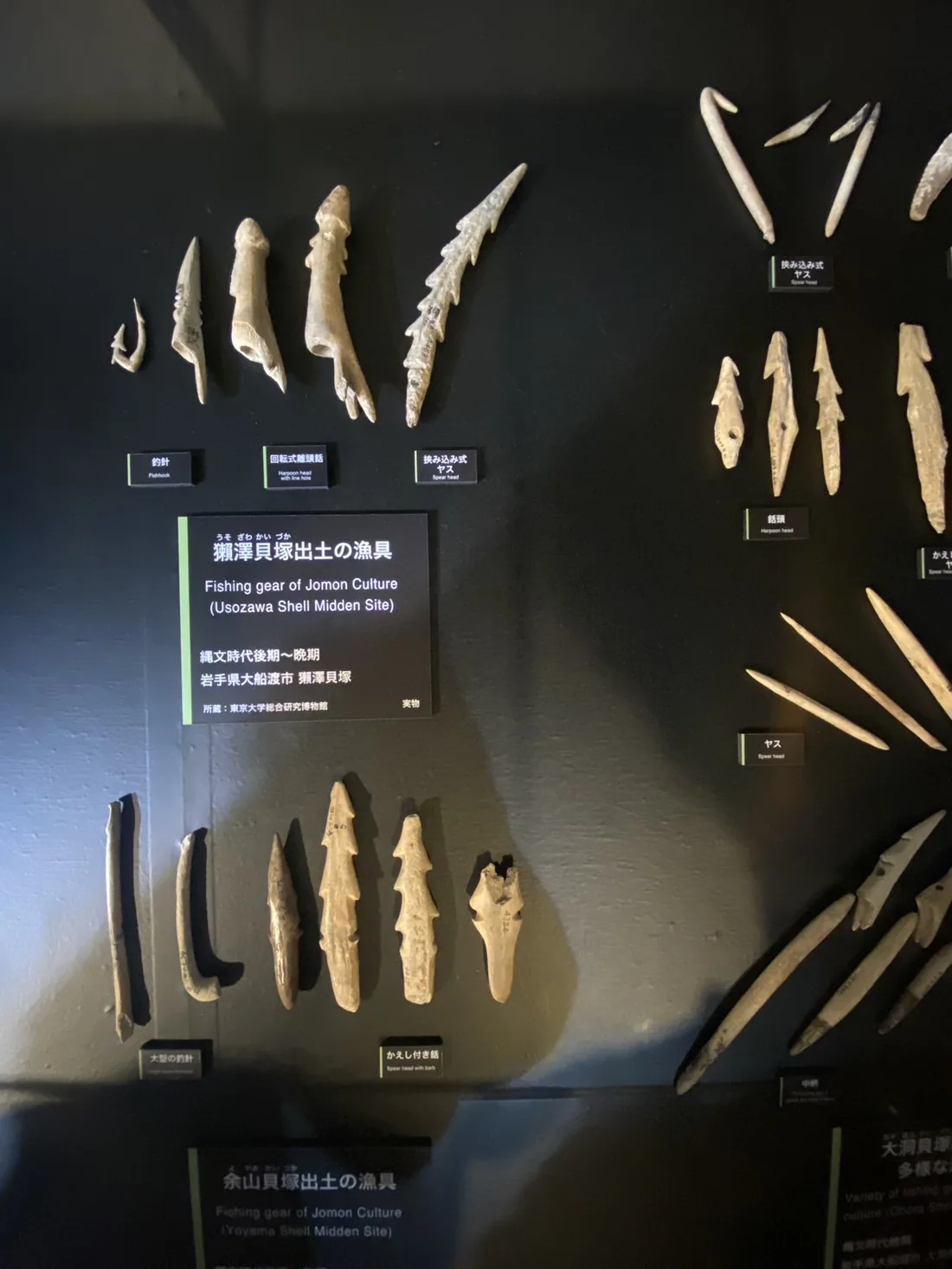
Bone spear tips from the Jomon period
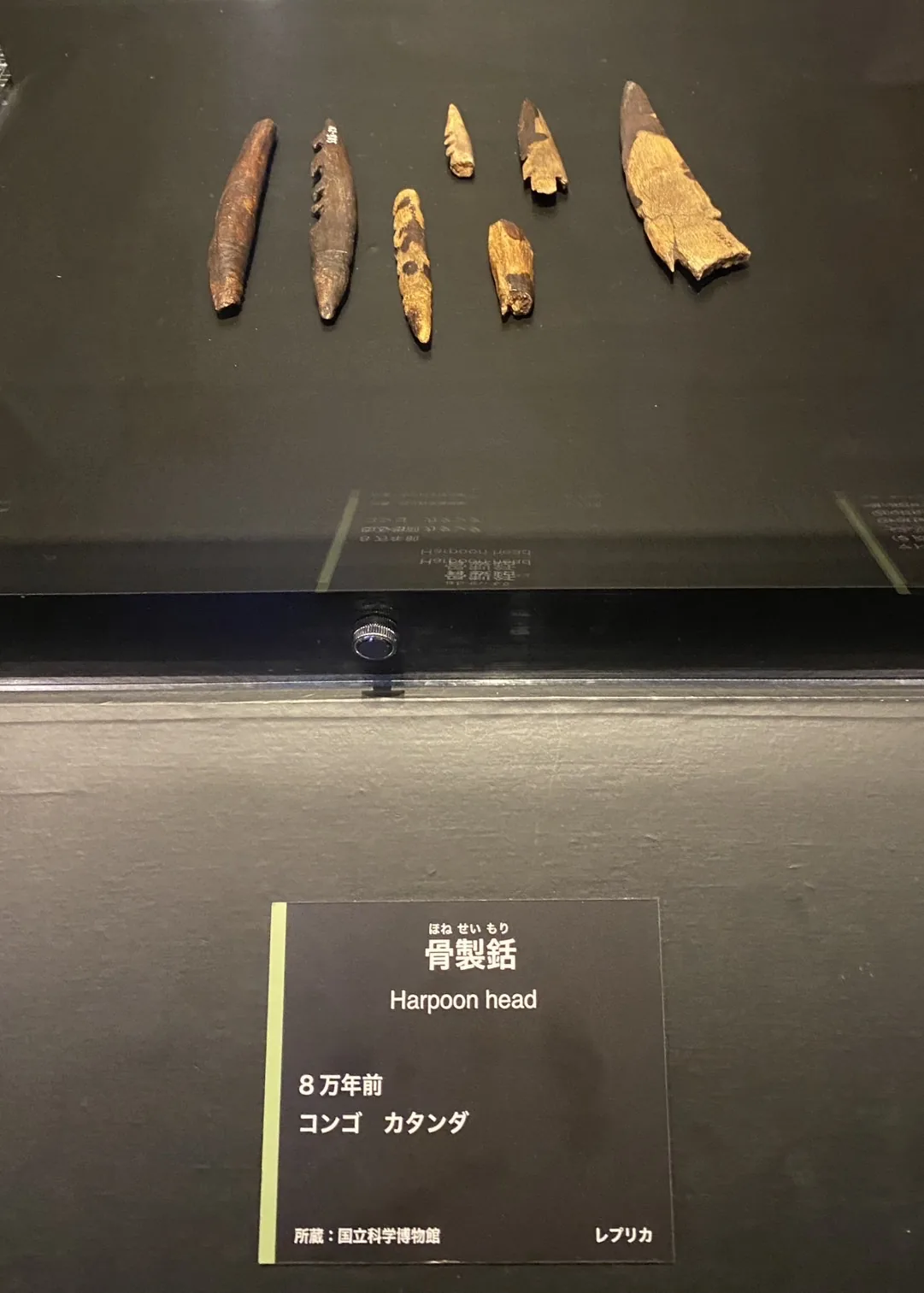
One of the world's oldest spear tips, excavated in Congo

80,000 years, and still going.

The oldest spear tip in the world was excavated in Congo and is about 80,000 years old. In Japan too, bone spear tips have been found at Jomon-period sites, and it is thought that a culture of freediving to spear fish already existed. In the Edo period, alongside the culture of the ama divers, spearing was also part of methods such as “yozuki”, night spearing, in which fish were drawn in with torches and speared.

Jomon
Bone spear tips have been excavated. The culture of freediving and the yasu begins
Edo
Alongside the culture of the ama, women and men divers, fishing for fish and octopus with the yasu is found around the country
Post-war
With the spread of masks and fins, it grows as a pastime
Today
A growing number of young people who “spear only what they will eat”
More in Learn
Join / Contact

Sea urchin culls and seaweed planting:
sign up on LINE.

Event dates and sign-ups are on our official LINE account (in Japanese). For press enquiries, or if you are a company, local government, fisheries cooperative or research institution, please use the contact form.

GREEN spearfishers (General Incorporated Association)
MAIL:[email protected]